Tuesday, December 3, 2019

Coding and Robotics


       Technology has become fundamental in schools. We are constantly surrounded by it in our every day lives. It is very important that students learn how to properly use technology because it will prepare them for jobs that have not even been created yet. The power of technology has advanced exponentially within the past decade. Students these days have the opportunity to learn more about technology and how it works through coding and robotics. 
       I have personal experience on this topic because I distinctly remember participating on my middle school's robotics team. We had the opportunity to work with LEGO Robotics kits like the one shown in the picture below. We participated in challenges that required us to create different series of code in order to program our robots to perform various tasks. I had a fantastic robotics teacher that encouraged us to persevere until our code worked and our robots could complete their given tasks. 
Image result for lego robotics
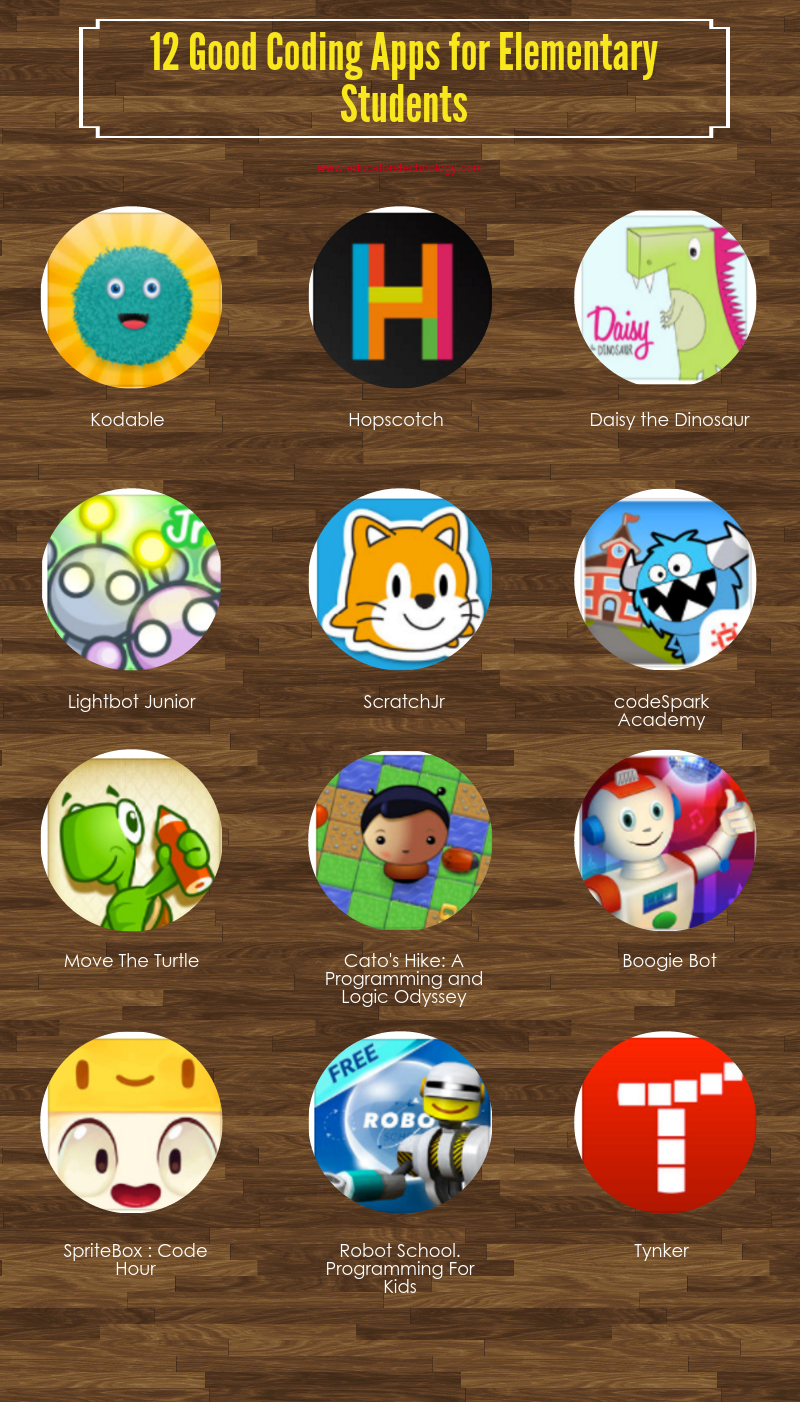
       As teachers, we must acknowledge the value of technology, coding, and robotics. Technology will continue to develop as the years go by, and we must provide the opportunity for our students to explore and gain interest in these areas. The following picture provides twelve apps that you could implement in your classroom to help your students begin to learn the language of coding.

The following video provides information on why coding is important and how it can impact not only students, but the entire world. Although it was made in 2017, I feel that this is still, if not more, relevant today. 

Tuesday, November 19, 2019

Nearpod

Image result for Nearpod

       Nearpod is an application that can be utilized in the classroom. The price of Nearpod is $349 a year or $29 a month. It is a platform that allows teachers to deliver lessons, implement activities, and even provide assessments to students. This application is pre-loaded with over seven thousand ready-to-run, customizable lessons that teachers can access on any device. These lessons span over all of the subjects including science, English language arts, math, social studies, and even digital citizenship. This application also supports the use of virtual reality headsets. The virtual reality feature allows students to go on virtual field trips to places all over the world. This allows teachers to make the learning personal to the students and apply content beyond the four walls of the classroom. 

The following video provides information on Nearpod and its various features.


       I had the opportunity to use this application to implement my lessons in a fourth grade social studies classroom at Donehoo Elementary in Gadsden, Alabama. I used the quiz feature to assess student learning before, during, and after the lesson. I also took the students on a virtual field trip to the United States Capitol building. The students had a blast learning about the branches of government and how congress passes legislation. I personally feel that this is an amazing platform that can transform any classroom into a twenty-first century learning environment. Upon further research, I learned that they have added more features to this application, one of which allows students to view three dimensional objects such as dinosaurs. If I can manage to find the money to purchase this application, I would love to implement it in my future classroom. I believe that the features it possesses could be extremely beneficial in improving student engagement and comprehension.

The following pictures display all of the various features and tools that Nearpod has to offer.

Image result for nearpod features

Monday, November 18, 2019

All Things Digital Literacy with a Focus in Podcasting

Podcasting in the Classroom
Image result for podcasting

Digital literacy is the ability to use information and communication technologies to find, evaluate, create, and communicate information, requiring both cognitive and technical skills. Digital literacy is one of the key pillars of digital citizenship. There are many methods and strategies that can be utilized to implement digital literacy in your classroom. One method of implementing them in the classroom would be through podcasting. A podcast is a digital audio file that made available on the Internet for downloading to a computer or mobile device, typically available as a series, new installments of which can be received by subscribers automatically. In other words, podcasts are a lot like talk radio but on demand. Podcasting is a free and easy way to provide students a gateway to digital literacy. It can be as simple as recording instructions for an assignment or as complex as guiding your students through an advance concept.

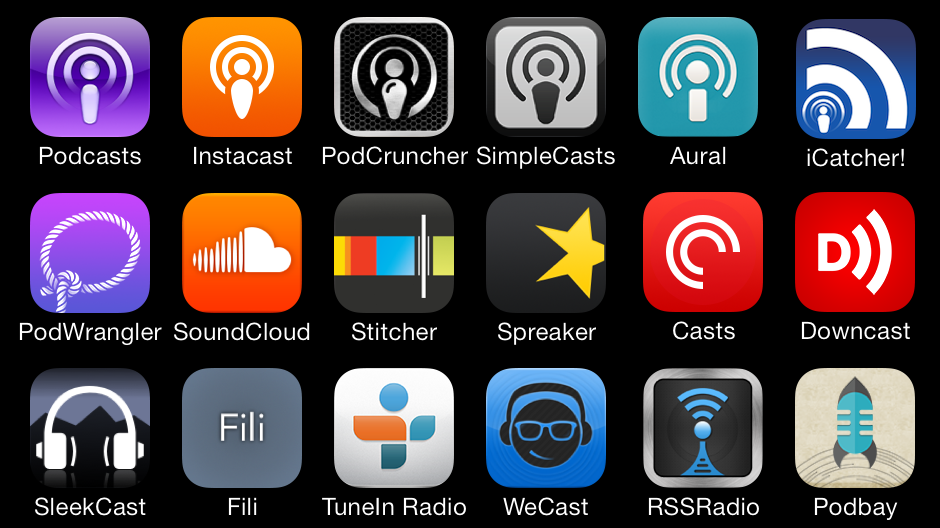
       The following picture provides examples of various podcasting applications available on the market that can be used to implement podcasts in the classroom.

Image result for podcasting apps


The following video is called "Podcasting for Teachers: How-to Make & Use Podcasts as an Educational Tool". It provides various resources and methods for implementing podcasts.


       I feel that podcasting can be very beneficial in furthering student learning, differentiating learning in order to fit the various need of the students, and allowing the students to learn through the implementation of technology. The world today is heavily dependent on technology, and students must be proficient in utilizing it. I personally feel that too much technology in the classroom can hinder student growth. It is crucial to know your students and how they learn in order to ensure their needs are met. In the future, I hope to implement podcasting in my classroom through various methods such as providing guided practice in order to support students with various needs, guiding students through various activities, supplementing a video or lesson that you have already taught, reviewing and studying tool, and prompting students to demonstrate their learning by allowing them to create their own podcasts.

Monday, September 2, 2019

Monday, November 12, 2018

What Really Happened?

The True Story of the 3 Little Pigs!

Written by Jon Scieszka
Illustrated by Lane Smith
Harper & Row 1989
32 Pages
Traditional Literature

Everyone knows about the three little pigs, but has anyone ever wondered what really happened? This story follows Alexander T. Wolf as he tells his side of the story of the three little pigs. Alexander wants to set the record straight and clear his name. What do you think Mr. Wolf will say about what really happened to their houses?

The illustrations in this book remind me of a newspaper. Many of the fonts are headlines like those from a newspaper. They seem to be sketches and watercolors.

A lesson idea for this book could be second grade writing. I would ask the students to choose between the pig’s story or the wolf’s story and debate about why they believe it. I would have the students write a paragraph about their stance and then have them debate it in class.


What A Wonky Donkey!

The Wonky Donkey

Written by Craig Smith
Illustrated by Katz Cowley
Scholastic Inc. 2018
24 Pages
Poetry


            One day, someone was walking down a path, and they saw a donkey. This donkey was a very peculiar donkey. He was a wonky donkey! Read this story to find out what was so wonky about the donkey!

            This book has very fun illustrations that depict just how wonky the donkey really is. They seem to be watercolor and sketches.

            I chose first grade language arts as my lesson idea. We could make our very own wonky donkeys using the adjectives from the book that described the donkey. The students could write each adjective on the corresponding part of the donkey. For example, the student would write winky on his missing eye.